Discover Uttarakhand, its culture, people and destinations.
PAGE TOP LEVEL
Welcome Guest [Login now]
Travel in Uttarakhand: Explore the Ultimate Journey Through Nature, Culture, and Adventure
Discover the ultimate travel experience in Uttarakhand, a Himalayan state that blends natural beauty with spiritual depth. From the icy peaks of Kedarnath to the lush forests of Corbett, every region offers a new side of nature waiting to be explored.
Uttarakhand is known as the ‘Land of the Gods’ for good reason. Its sacred Char Dham circuit—Yamunotri, Gangotri, Kedarnath, and Badrinath—draws pilgrims from across India and abroad. These shrines, set amid majestic mountains, are not just places of worship but timeless journeys through devotion and geography.
Beyond pilgrimage routes, Uttarakhand is a paradise for nature lovers. Hill stations like Nainital, Mussoorie, Almora, and Ranikhet present scenic lakes, pine-covered slopes, and colonial charm. Visitors enjoy boating, hiking, and relaxed mountain stays, making these towns among the most visited travel destinations in North India.
For wildlife enthusiasts, Jim Corbett National Park remains the crown jewel. Established in 1936, it is India’s first national park and home to Bengal tigers, elephants, and hundreds of bird species. Eco-tourism here encourages responsible travel and promotes biodiversity awareness.
Adventure tourism thrives in the valleys and rivers of Uttarakhand. Rishikesh and Auli lead the list, offering white-water rafting, bungee jumping, and skiing. Trekking routes like Valley of Flowers, Roopkund, and Har Ki Dun attract trekkers worldwide for their alpine meadows and snowbound trails.
Culture in Uttarakhand is deeply rooted in local traditions. Fairs such as Nanda Devi Mela, Kumaoni Holi, and Ganga Dussehra bring communities together with folk music and traditional dances. Local cuisines—such as bhatt ki churkani, aloo ke gutke, and mandua roti—add to the sensory richness of every journey.
The region’s hidden attractions often surprise travellers. Patal Bhuvaneshwar cave temple in Pithoragarh reveals a fascinating world of mythological rock formations, while Robber’s Cave near Dehradun offers a walk through a natural canyon with cold streams underfoot.
Waterfalls like Kempty Falls, Corbett Falls, and Tiger Falls in Chakrata provide soothing natural escapes, while the state’s clean air and Himalayan backdrop create an atmosphere ideal for wellness tourism. Yoga retreats in Rishikesh attract global visitors seeking balance and mindfulness.
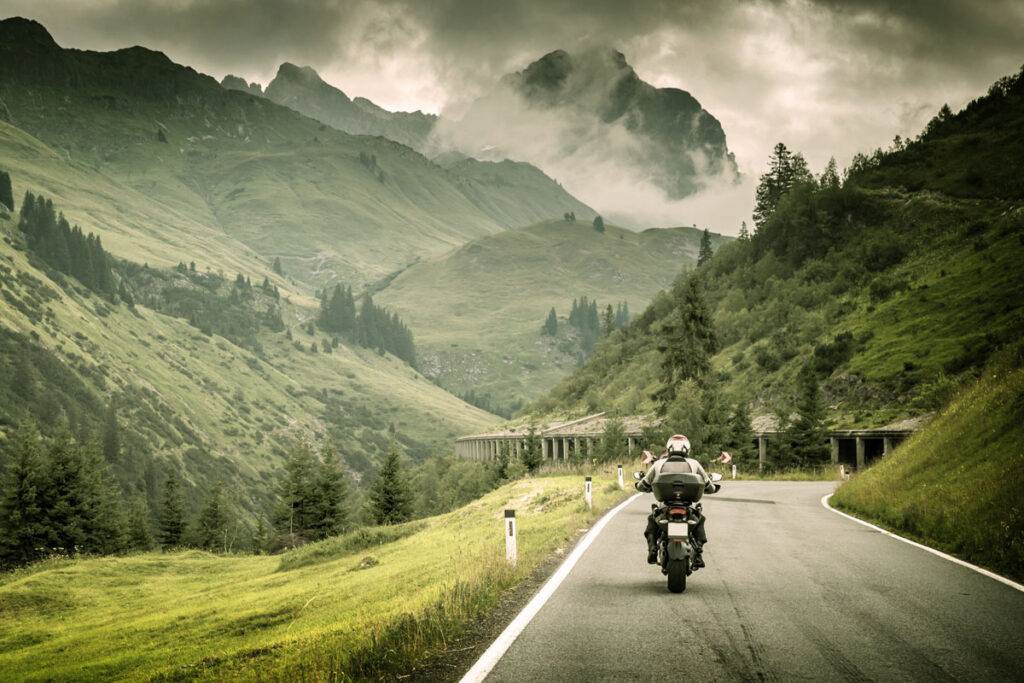
Uttarakhand’s accessibility has improved with better roads, rail, and regional air links. Whether by road trip, scenic rail ride, or helicopter service to pilgrimage sites, travel through this state combines comfort with discovery. Each season—whether snow in winter or blooms in summer—brings its own colour and charm.
In every sense, travelling through Uttarakhand is a journey through India’s diverse landscapes. It connects travellers with nature, faith, and simplicity, offering an essential guide to exploring a state where every mountain, river, and village tells a story worth experiencing.
Blog Category: Travel






Char Dham Yatra remains one of the most significant pilgrimage circuits in India. Covering Yamunotri, Gangotri, Kedarnath, and Badrinath, the route symbolises purification of mind and soul. Each shrine sits in remote Himalayan valleys, accessible by scenic drives and short treks.
The Char Dham sites open seasonally, generally between April and November, when weather conditions are safe for travel. Pilgrims and travellers alike are advised to plan their journeys with proper permits and guided support due to challenging terrain.
Yamunotri, dedicated to Goddess Yamuna, lies in Uttarkashi district. The thermal springs at Janki Chatti and treks through dense forests make it an ideal start to the sacred circuit. Gangotri follows, marking the origin of the River Ganga, surrounded by snow-covered ridges.
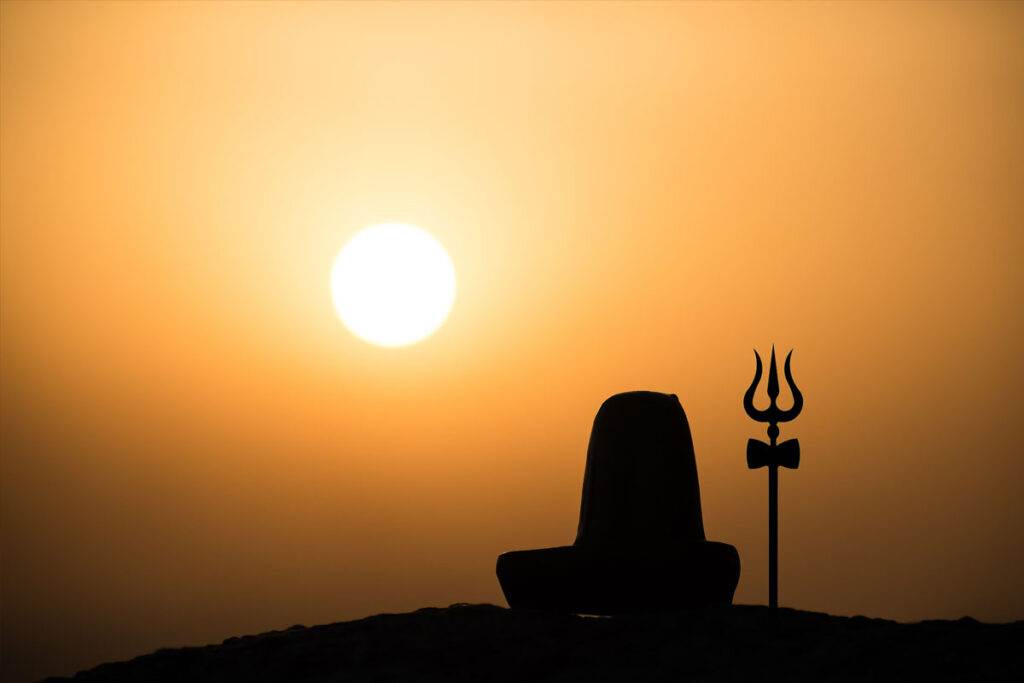
Kedarnath, at 3,583 metres, holds immense significance for Lord Shiva devotees. The temple’s stone structure stands resilient despite past natural calamities. Helicopter services and improved trekking routes now ease access for visitors.
Badrinath, devoted to Lord Vishnu, completes the Char Dham. The colourful façade of the temple and the nearby Mana village—the last Indian settlement near Tibet—make this region equally cultural and spiritual. Together, the Char Dham reflects Uttarakhand’s blend of devotion and mountain majesty.
Hill stations of Uttarakhand showcase the state’s cool climate and serene ambience. Nainital, often called the ‘Lake District of India’, attracts tourists for its Naini Lake, colonial-era cottages, and bustling Mall Road. Boating and cable car rides provide panoramic views of surrounding hills.
Mussoorie, known as the ‘Queen of Hills’, lies about 35 km from Dehradun. Its attractions include Gun Hill, Kempty Falls, and Camel’s Back Road—offering relaxed walks and scenic sunsets. The town’s vibrant markets and street food stalls appeal to both families and solo travellers.
Ranikhet and Almora offer quieter alternatives with forested trails and heritage temples. Ranikhet’s orchards and Kumaon Regimental Centre Museum add historical depth, while Almora’s Kasar Devi temple draws visitors for its spiritual aura and views of the snow-clad Himalayas.
Auli stands out as India’s premier ski destination. During winter, its slopes attract skiers from across the country, while in summer, the same meadows turn into lush hiking grounds. The ropeway from Joshimath to Auli provides one of the longest and most scenic rides in Asia.
Wildlife in Uttarakhand thrives under strong conservation efforts. Jim Corbett National Park leads the way as India’s oldest and most popular reserve. Tourists can enjoy jeep safaris to spot Bengal tigers, elephants, leopards, and rare birds in their natural habitats.
Rajaji National Park, near Haridwar and Rishikesh, offers another excellent location for wildlife exploration. The park’s forested ranges host elephants, deer, and a variety of migratory birds. Eco-tourism lodges and trained naturalists enhance the travel experience responsibly.
Binsar Wildlife Sanctuary, situated near Almora, provides trekking opportunities through oak and rhododendron forests. Its viewpoint offers panoramic Himalayan views, including peaks like Nanda Devi and Trishul. Night stays in forest guesthouses offer serene retreats away from cities.
Conservation awareness has grown significantly, with community participation in protecting local flora and fauna. Responsible travel—minimising waste and supporting local guides—helps sustain Uttarakhand’s fragile mountain ecosystem.
Adventure tourism adds another layer to Uttarakhand’s travel appeal. Rishikesh has become the hub for river rafting, bungee jumping, and yoga retreats. The Ganga’s rapids provide thrilling experiences under expert supervision. Camping along riverbanks combines excitement with natural calm.
For trekkers, the Valley of Flowers is a UNESCO World Heritage Site known for its diverse alpine flora. The trek opens during monsoon, revealing meadows filled with colourful blooms. Roopkund Lake, famed for its mysterious skeletal remains, attracts experienced hikers.
Auli’s winter slopes invite skiing and snowboarding enthusiasts. Professional instructors assist beginners, while advanced skiers enjoy long downhill runs. The town also hosts national-level ski events, adding a sporting dimension to Uttarakhand’s adventure scene.
Other exciting trails include Har Ki Dun and Kedarkantha, which mix scenic forest routes with high-altitude challenges. These destinations promote eco-adventure, balancing thrill with respect for nature.
Uttarakhand’s cultural heritage reflects the simplicity and spirit of its people. Local festivals highlight community harmony and devotion. The Nanda Devi Mela celebrates the goddess revered across the Kumaon region, featuring folk dances and processions.
Kumaoni and Garhwali music use traditional instruments like dhol and damau, resonating through mountain villages. Folk dances such as Chholiya and Jhora tell stories of bravery and celebration. These art forms connect travellers with the living traditions of the hills.
Temples like Jageshwar, Baijnath, and Katarmal Sun Temple showcase ancient stone architecture and inscriptions. Such heritage sites link Uttarakhand’s spiritual past to its present identity.
Local crafts also contribute to the region’s economy. Handwoven pashmina shawls, woollens, and wooden artifacts serve as meaningful souvenirs. Supporting local artisans during travel adds authenticity and helps preserve these cultural skills.
Culinary exploration forms an essential part of travel in Uttarakhand. Local cuisine is simple yet rich in flavour, shaped by mountain life and local produce. Dishes such as aloo ke gutke, bhatt ki churkani, and chainsoo use traditional lentils and spices, offering nutritious, earthy meals.
Street food in Dehradun and Haldwani adds variety for travellers. Samosas, kachoris, momos, and jalebis dominate local markets, blending North Indian and Himalayan influences. Food stalls near tourist zones such as Nainital’s Mall Road provide quick and tasty options.
In the hills, tea stalls are social spaces. Freshly brewed pahadi chai served with jaggery biscuits or singori sweets reflects the region’s hospitality. Many travellers pause here to enjoy mountain views and local conversation.
Farm-to-table concepts are gaining traction, especially in eco-lodges and homestays. Visitors are encouraged to try millet-based dishes, organic vegetables, and traditional cooking styles that promote sustainability and health.
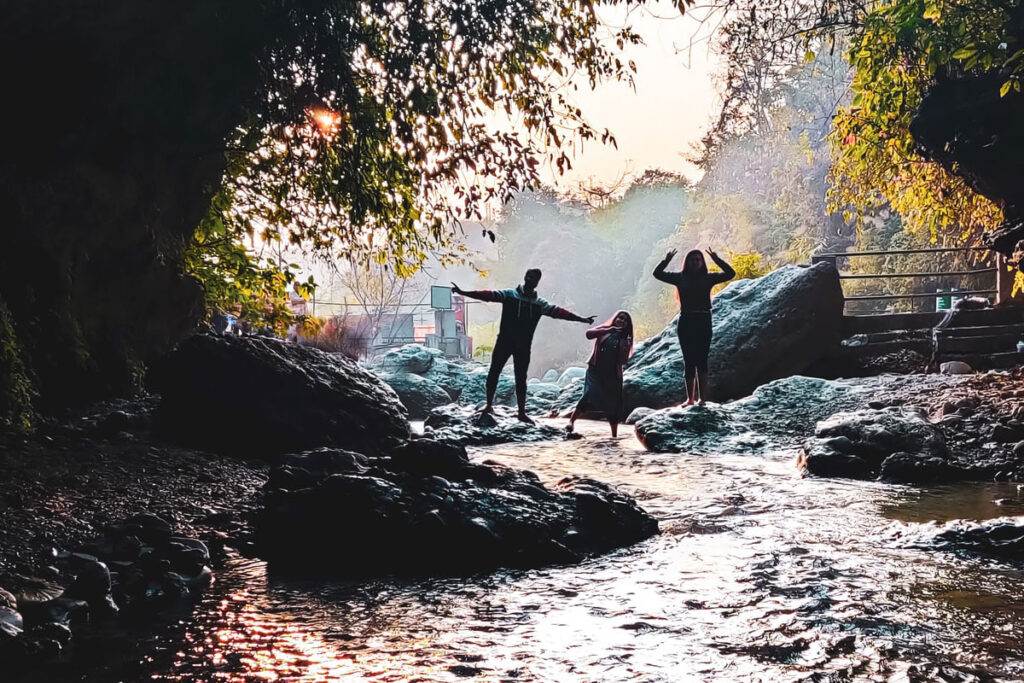
Hidden attractions in Uttarakhand often remain outside regular tourist circuits. Robber’s Cave in Dehradun, also known as Gucchupani, is a narrow canyon where water flows through rocky passages. Walking barefoot through cold streams offers a refreshing adventure close to the city.
Patal Bhuvaneshwar in Pithoragarh district is a cave temple complex known for its naturally formed limestone sculptures representing mythological figures. It provides a unique blend of geology and spirituality rarely found elsewhere.
Chakrata, a quiet cantonment town, attracts travellers seeking solitude. Its Tiger Falls, among the highest in India, plunges into a natural pool surrounded by thick forest. The area also offers caves and bird-watching trails.
Places like Lansdowne, Munsiyari, and Khirsu remain lesser-explored yet scenic, providing mountain serenity without heavy crowds. Their slow-paced environment appeals to travellers who prefer authenticity and peace.
Uttarakhand’s urban and rural balance gives travellers multiple perspectives. Dehradun serves as the gateway to the hills, known for its educational institutions and mild climate. The Forest Research Institute’s colonial architecture and the Malsi Deer Park are must-visits.
Haridwar, one of the seven sacred cities in India, remains an essential pilgrimage stop. The evening Ganga Aarti at Har Ki Pauri attracts thousands, creating a serene yet vibrant atmosphere of devotion.
In contrast, small villages such as Kausani and Chaukori present the simplicity of rural life. These towns offer panoramic Himalayan views and authentic stays in traditional homes. Many travellers find these places ideal for reflection and nature photography.
Tourism initiatives increasingly include homestays and village tours, promoting economic stability while giving visitors a glimpse into regional customs and daily living.
Travel in Uttarakhand is also about sustainability and responsible tourism. Authorities and local communities work together to maintain ecological balance, especially around sensitive zones like glaciers and forests.
Plastic bans and waste management drives have improved cleanliness in key areas such as Rishikesh and Nainital. Tour operators encourage visitors to carry reusable water bottles and avoid littering along trekking routes.
Renewable energy adoption in mountain lodges and low-impact trekking programs set examples for sustainable practices. Travellers are urged to respect wildlife boundaries and avoid disturbing natural habitats.
Supporting local businesses and respecting cultural norms ensures tourism remains beneficial to residents. Choosing eco-certified stays or guided nature walks contributes directly to conservation efforts and community welfare.
Shopping and local markets add vibrancy to Uttarakhand’s tourism experience. Dehradun’s Paltan Bazaar offers woollens, spices, and local crafts. Nainital’s Tibetan Market sells hand-knit sweaters, souvenirs, and jewellery at affordable prices.
Ranikhet and Almora are famous for pure wool shawls and handmade candles. In smaller towns, travellers can buy copperware and wooden utensils crafted by local artisans. Such purchases support regional craftsmanship and sustainability.
Street markets are also hubs for local snacks and sweets like bal mithai and singori. Trying these traditional treats helps travellers connect more deeply with regional flavours.
Bargaining is common but should be done respectfully. Visitors are encouraged to buy directly from artisans whenever possible to ensure fair earnings and cultural preservation.
Uttarakhand, with its sacred shrines, majestic peaks, and tranquil villages, stands as one of India’s most versatile travel destinations. It balances faith, adventure, and sustainability in a way few regions can.
From the spiritual heights of Kedarnath to the serene lakes of Nainital and the adventure zones of Rishikesh, each experience adds a new dimension to travel. The blend of wildlife sanctuaries, hill retreats, waterfalls, and hidden caves ensures variety throughout the year.
For travellers seeking more than a short escape, Uttarakhand offers lessons in coexistence with nature. Its people, traditions, and landscapes together present a model of harmony worth learning from.
Exploring this state means more than sightseeing—it’s about understanding the relationship between mountains, faith, and human simplicity. With improved connectivity and growing awareness of eco-tourism, the future of travel in Uttarakhand looks promising, sustainable, and endlessly inspiring.